

Table of Contents
- What the Builder Defect Liability Period Actually Covers
- Builder Defect Liability Period Length: What to Expect
- Defects Liability Period vs Warranty: Key Differences
- How to Report Defects to a Builder in Writing
- Using a Builder Defect Report Template
- What Happens When a Builder Refuses to Fix a Defect
- Frequently Asked Questions
Last Updated: October 19, 2026
What the Builder Defect Liability Period Actually Covers
The builder defect liability period is the window after completion when your developer must fix certain problems in your new home at no cost to you. It sits alongside your warranty, not instead of it, and it covers defects in workmanship and materials rather than general wear and tear.
Understanding what the defect liability period actually covers is the difference between a quick fix and a costly argument.
So what falls inside it?
- Cosmetic defects: cracked plaster, poor paintwork, damaged skirting, uneven tiling
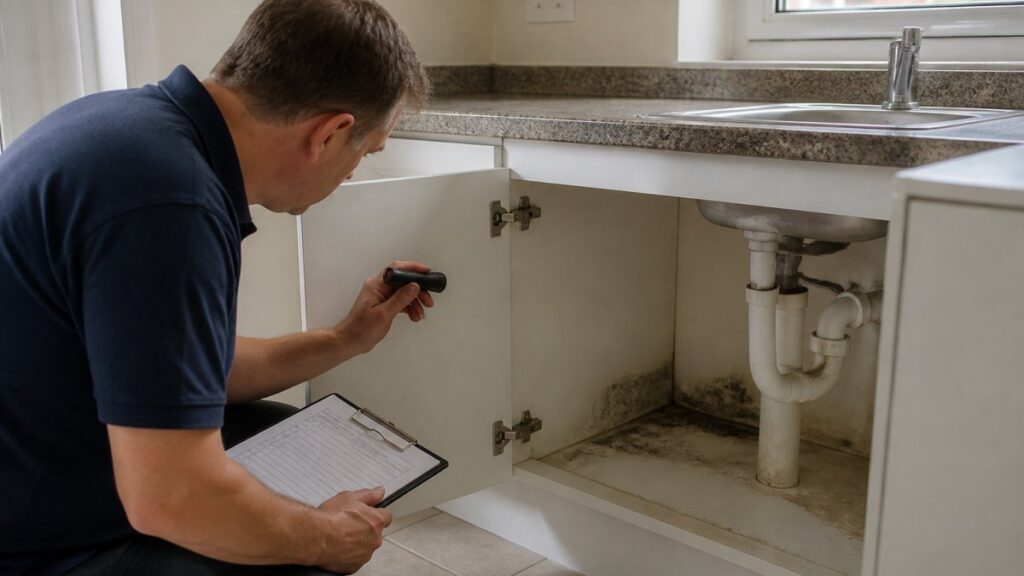
- Mechanical defects: sticking doors, faulty heating controls, leaking pipework
- Structural defects: cracked brickwork, movement in walls, roof problems
- Finishing defects: gaps around windows, poorly fitted kitchen units, drainage issues
Most new-build contracts set the liability period at 12 months from legal completion. Some developers extend it. A few shorten it. Check your contract, because the wording controls what you can claim.
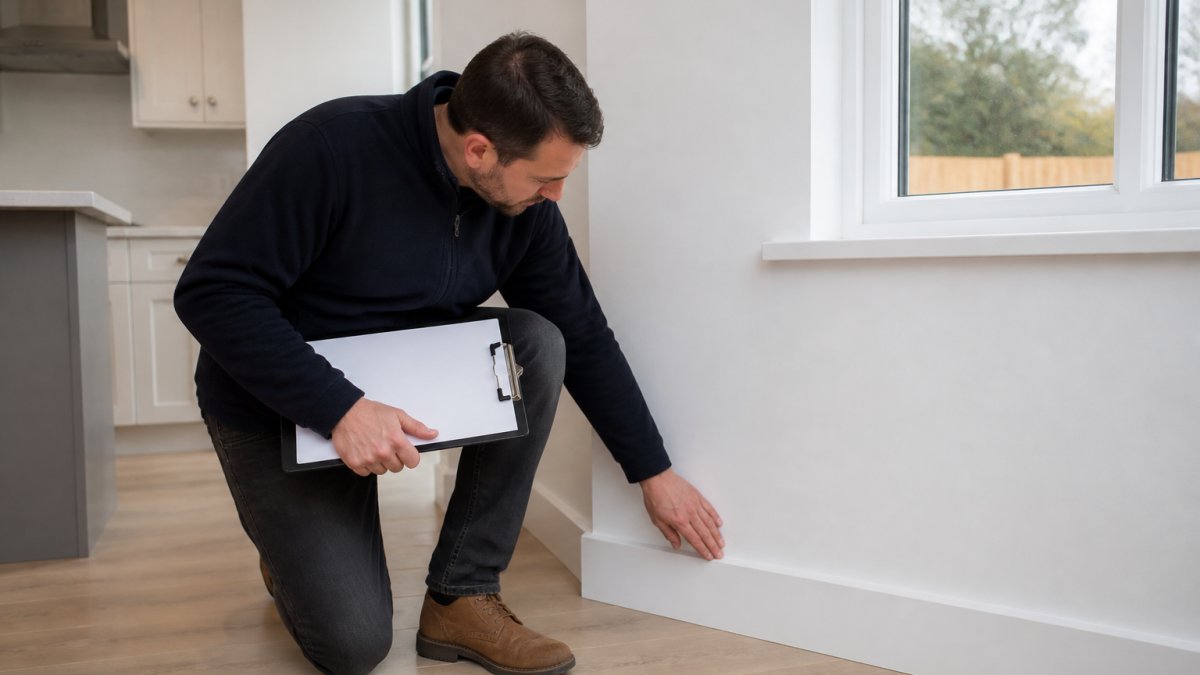
Ignoring small defects in the first few weeks is a common mistake. Report everything in writing early, because a hairline crack documented in month one is far easier to argue about in month ten.
Builder Defect Liability Period Length: What to Expect
Twelve months is the standard length for a builder defect liability period in most new-build contracts. That clock usually starts at legal completion, not at exchange and not at the point you move in.
The length matters more than most buyers realise. Defects that appear in month two may not surface as real problems until month eight, and by then you have four months to act.
Here is how the timelines typically stack up:
| Period | What Usually Happens | Your Action |
|---|---|---|
| 0-14 days | Snagging list submitted | Report everything in writing |
| 1-3 months | Builder fixes snags | Chase unresolved items |
| 3-12 months | Defects liability period runs | Log new defects as they appear |
| 12 months+ | Structural warranty takes over | Check warranty terms carefully |
Diarise your liability period end date the day you complete. Homeowners can lose valid claims simply because they missed the deadline by a fortnight.
Defects Liability Period vs Warranty: Key Differences
The defects liability period and the warranty are two separate protections, and confusing them is where claims go wrong. The liability period is a contractual obligation on your builder to fix defects. The warranty is an insurance-backed product, usually lasting ten years, that covers structural problems after the liability period ends.
Think of it this way. The builder fixes it in year one. The warranty insurer steps in for major structural issues in later years.
- Who is responsible: your builder during the liability period, the warranty provider afterwards
- What is covered: defects in workmanship during the period, structural failure under the warranty
- How you claim: directly to the builder first, then the warranty provider
- What is excluded: wear and tear, damage you cause, general maintenance
According to the Competition and Markets Authority guidance on new-build homes, buyers should receive clear information about both the warranty and the builder’s own obligations. Read both documents before you complete, not after.
How to Report Defects to a Builder in Writing
Reporting defects to a builder in writing means putting every issue in a dated message, with photographs and a clear request for a fix by a stated date. Verbal reports rarely hold up when a dispute escalates.
Follow this sequence:
- Photograph the defect with something for scale, such as a coin or tape measure
- Write a short description of what is wrong and where it is
- Email your builder and keep a copy in a dedicated folder
- Set a reasonable deadline for a response, usually 14 days
- Log the date you reported it in a simple spreadsheet
- Escalate in writing if nothing happens within the deadline
A common mistake is bundling everything into one long email with no structure. Builders respond faster to a numbered list with photographs attached to each item.
Written reports create a paper trail. If a dispute reaches the warranty provider or an ombudsman, that trail is the evidence that decides the outcome.
Using a Builder Defect Report Template
A builder defect report template is a structured document that lists each defect, its location, a description, a photograph reference and the date reported. It keeps your claim organised and makes it harder for a builder to dispute what you raised and when.
Here is a simple template you can copy and use today:
Defect Report
Property address: [your address]
Completion date: 2026
Report date: 2026
No. Location Defect description Photo ref Date reported Status 1 Kitchen, rear wall Cracked plaster above worktop IMG_001 2026 Open 2 Hallway Door catching on frame IMG_002 2026 Open 3 Bathroom Sealant lifting around bath IMG_003 2026 Open Requested action: please confirm a fix date within 14 days.
Keep the language factual. Avoid emotional wording, because it weakens your position if the matter escalates.
An independent inspection from Quality Surveying Ltd gives you a professional report to attach. Our RICS and RPSA-accredited surveyors use thermal imaging cameras to catch defects the untrained eye misses, and we issue the digital report within 48 hours. That report carries weight with builders because it comes from an accredited professional.
What Happens When a Builder Refuses to Fix a Defect
A refusal is not the end of the process. When a builder refuses to fix a defect, your next steps are a formal written complaint, then escalation to the warranty provider, then a referral to the relevant redress scheme.
Work through these in order:
- Formal complaint: send a written complaint referencing your original report and the builder’s refusal
- Warranty provider: contact them with your evidence and ask them to intervene
- Redress scheme: if your builder is registered with one, refer the dispute
- Independent evidence: commission a professional report to strengthen your case
The New Homes Ombudsman scheme exists to handle exactly these disputes, and having documented evidence from day one makes the process far quicker.
A snagging inspection from Quality Surveying Ltd identifies cosmetic, mechanical, structural and finishing defects in one document.
Disputes with builders are stressful, but they are far easier to win when your evidence is independent and professionally compiled. Quality Surveying Ltd works solely for homeowners, never developers, so our findings are entirely unbiased. Our RICS and RPSA-accredited surveyors inspect your new build, document every defect with thermal imaging and professional equipment, and deliver a digital report within 48 hours, fully aligned with NHQB requirements. Get a quote from Quality Surveying Ltd and protect the home you paid for.
Frequently Asked Questions
How long does a builder defect liability period last?
The builder defect liability period length varies by contract, but most new-build contracts set it at 12 months from legal completion. Some developers offer longer periods, and certain structural elements may be covered for longer under the underlying warranty. Check your contract and warranty documents for the exact dates, and diarise the end date so you can submit any outstanding defects before the window closes.
Is a defects liability period the same as a new-build warranty?
No. The defects liability period is a contractual window in which the builder must return and fix defects you report. A new-build warranty is a separate insurance-backed product that typically runs for 10 years and covers structural issues after the liability period ends. The two work together: report defects to the builder during the liability period, and rely on the warranty for structural problems that emerge later.
What defects should I report to my builder?
Report anything that falls short of the standard you paid for: cracked plaster, uneven floors, poorly fitted doors, leaking pipework, draughts around windows, damaged brickwork, and incomplete finishing. Note cosmetic issues as well as functional ones, because minor items are easier to resolve early. Hidden defects such as missing insulation or inadequate ventilation are worth flagging too, which is where a professional inspection with thermal imaging can help.
Can I report a defect after the defects liability period ends?
Once the liability period ends, the builder is no longer contractually obliged to return and fix reported defects. You may still be able to claim through your new-build warranty for structural issues, but the process is slower and the criteria are stricter. The practical lesson is to inspect thoroughly and submit a written defect report well before the period expires, rather than waiting until the final weeks.