

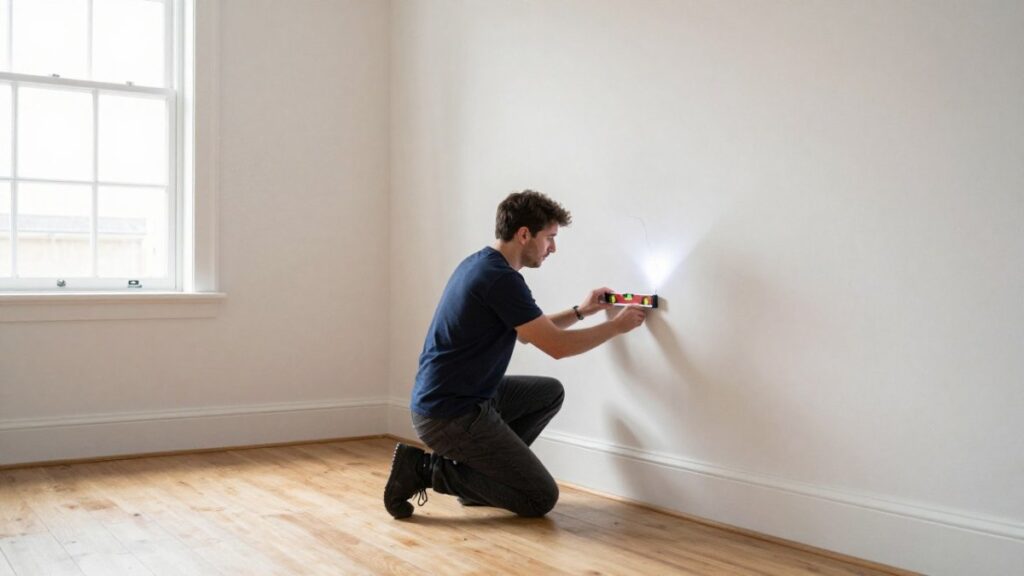
Last Updated: 7 November 2026
Quick Summary
A snagging inspection is a detailed visual survey of a newly built home that identifies defects, unfinished work and poor workmanship before or shortly after you complete. For a first-time buyer, it is often the only chance to have problems documented properly while the developer is still obliged to fix them. Book before legal completion if you possibly can.
- Book your inspection early, as slots fill up around popular development completion dates.
- Quality Surveying Ltd issues its digital inspection reports within 48 hours of the visit.
- Build in at least a week between the inspection and the date you need the report.
- Sort your report into Priority 1, 2 and 3 bands before sending it to the developer.
- Put your snag list in writing and keep a dated record of everything you send.
Table of Contents
- What a Snagging Inspection Is and Why First-Time Buyers Need One
- Your First-Time Buyer Timeline from Reservation to Post-Completion
- The New-Build Snagging Checklist: Room by Room and Element by Element
- What a Professional Snagging Survey Covers and What It Leaves Out
- When to Book: Pre-Completion or After You Move In
- How Long Does a Snagging Inspection Take from Booking to Report?
- Snagging Survey Cost: What Affects the Price and What You Get
- What a Snagging Report Example Looks Like and How to Submit Defects
- Frequently Asked Questions
What a Snagging Inspection Is and Why First-Time Buyers Need One
A snagging inspection is a detailed visual survey of a newly built home that identifies defects, unfinished work and poor workmanship before or shortly after you complete. Independent inspections of this kind give buyers evidence rather than relying on a builder’s word. For a first-time buyer, it is often the only chance to have problems documented properly while the developer is still obliged to fix them. Most new builds are sound at their core, but almost none are finished perfectly.
What Counts as a Snag
A snag is any defect in the property that falls short of the specification, building standards or reasonable finish quality. That covers everything from a scratched worktop to a door that will not latch. Snags generally fall into four groups:
- Cosmetic defects: paintwork blemishes, scuffed skirting, damaged tiles
- Finishing defects: uneven grout lines, gaps in sealant, poorly fitted trims
- Mechanical defects: sticking windows, faulty hinges, taps that drip
- Structural or safety defects: cracked brickwork, damp patches, missing fire seals
The first three are annoying. The fourth is why you book an inspection rather than a handyman.
Why New-Build Homes Have Defects
New builds are assembled quickly by multiple trades working in sequence, and the final quality check is usually carried out by the developer’s own team. That is not a conspiracy, it is a conflict of interest. When the same organisation builds and signs off the work, minor defects slip through. A common mistake among first-time buyers is assuming that a completed property has been independently verified. It has not.
Your First-Time Buyer Timeline from Reservation to Post-Completion
Timing is where most buyers get this wrong. The inspection is not a single event; it sits inside a sequence that starts at reservation and runs well past your moving-in date. Here is how the stages usually line up:
| Stage | What Happens | Your Action |
|---|---|---|
| Reservation | Plot secured, deposit paid | Ask for the specification and completion estimate |
| Build and updates | Construction progresses, dates shift | Request a pre-completion inspection date early |
| Pre-completion inspection | Property checked before legal completion | Attend the snagging inspection and review the report |
| Completion and handover | Keys released, legal completion | Submit your snag list to the developer in writing |
| Post-completion period | Developer’s aftercare and warranty period | Track repairs and re-inspect unresolved items |
The single most useful thing you can do is book early. Inspection slots fill up around popular development completion dates, and a report you receive after you have moved in is worth less than one you hold before completion.
The New-Build Snagging Checklist: Room by Room and Element by Element
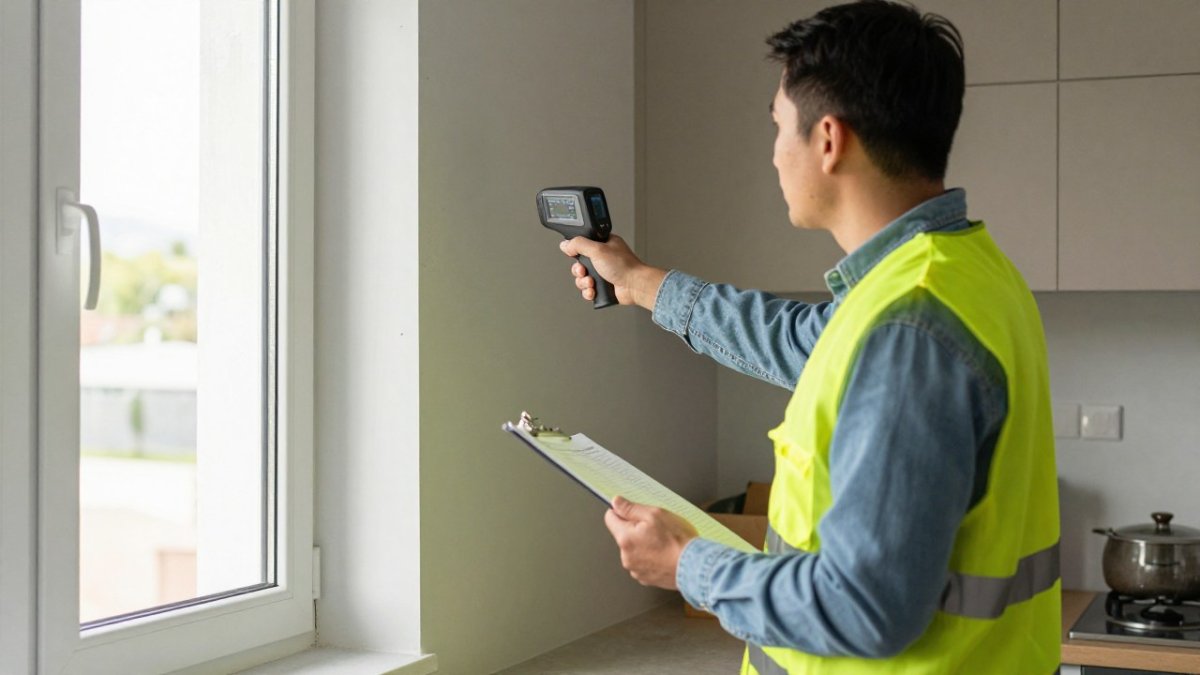
You can walk your own property with a checklist before the professional inspection, and it helps to know what to look at. For a fuller breakdown, our new build defects checklist covers each room in more detail. Work through these areas:
- Windows and doors: open and close every one, check for draughts, misaligned frames and damaged seals
- Plumbing: run every tap, flush every toilet, check for leaks under sinks and slow drains
- Electrics: test every socket, switch and light fitting, and confirm the consumer unit is labelled
- Heating and ventilation: check radiators heat evenly and extractor fans actually extract
- Walls, ceilings and paintwork: look for cracks, uneven finishes, nail pops and patchy paint
- Tiling and sealant: check grout consistency and silicone lines in wet areas
- Roof and brickwork: from ground level, look for missing mortar, damaged tiles and poor pointing
- Damp and cracks: note any discolouration, musty smells or cracks wider than a hairline
Photograph everything you find, with something for scale in the frame.
What a Professional Snagging Survey Covers and What It Leaves Out
A professional snagging survey covers the visible fabric and services of the property: walls, floors, ceilings, joinery, windows, doors, plumbing, electrics, heating, ventilation, tiling, decoration and external elements you can safely reach. Our snagging survey breakdown sets out the full scope item by item. What it does not cover matters just as much. It is not a structural engineer’s report, and it does not assess the value of the property.
When to Book: Pre-Completion or After You Move In
Book before legal completion if you possibly can. A pre-completion inspection gives you a documented snag list while the developer still holds the property and has every incentive to fix things before handover. The alternative, a post-completion inspection, is still worthwhile, particularly where access before completion was refused or the developer would not allow a third party on site. In that case the inspection happens once you have the keys, and the report goes to the developer’s aftercare team instead.
How Long Does a Snagging Inspection Take from Booking to Report?
The report is the part buyers underestimate. Quality Surveying Ltd issues its digital inspection reports within 48 hours of the visit, which matters when completion dates are close. Our guide to how long a snagging inspection takes walks through the full timeline in detail. The practical sequence is: book a slot, attend the inspection or arrange access, receive the report, then submit the snag list to the developer.
Snagging Survey Cost: What Affects the Price and What You Get
Snagging survey cost depends on the size of the property, its location, the level of detail required and how quickly you need the report. A one-bedroom flat and a five-bedroom detached house are not the same job, and pricing should reflect that.
Treat any quote as a package covering the site visit and the report.
-
Property size and type: floor area, number of rooms, bathrooms and external elements all add inspection time. A studio flat is a shorter visit than a four-bedroom house with a garage and garden.
-
Level of detail: a visual snagging inspection is not the same as a survey that includes thermal imaging, damp readings or a drainage assessment. Each additional technique adds time and equipment cost.
-
Access and occupancy: an empty property before completion is quicker to inspect than an occupied home full of furniture, and access restrictions such as locked cupboards or sealed loft hatches limit what can be checked.
-
Turnaround: report timing can affect the quote. If your completion date is close, say so at the point of booking.
-
Accreditation: the inspections are carried out by accredited RICS or RPSA professionals.
What you should get for the money is a written report you can hand to the developer, not a verbal walk-round. If you are weighing up whether it is worth it, our guide on whether snagging reports are worth the cost covers the value question directly.
What a Snagging Report Example Looks Like and How to Submit Defects
A good snagging report is a numbered list of defects, each with a location, a description in plain English, a photograph and a severity rating. That last element is what separates a useful report from a long list of complaints. Severity prioritisation tells the developer which items are safety or structural issues and must be dealt with first, and which are cosmetic and can wait. A snagging report example should make the builder’s next action obvious for every line.
A practical way to read your report is to sort it into three bands before you send it anywhere:
- Priority 1, safety, water ingress and habitability: missing fire seals, faulty smoke alarms, gas or electrical defects, active leaks, drainage problems, failed damp-proofing, or anything that makes a room unusable. These should be reported immediately and not held back for a consolidated list.
- Priority 2, function and performance: windows that do not close properly, doors that stick, heating that does not heat evenly, extractor fans that do not extract, poorly fitted sanitaryware. These affect how the home works and should be fixed within the developer’s normal aftercare timescales.
- Priority 3, cosmetic and finish: paint blemishes, scuffed skirting, uneven grout, minor sealant gaps. These matter but should not delay completion or distract from the urgent items.
Documenting and Submitting Snags Effectively
Submission is where reports succeed or fail. Put your snag list in writing, reference the report, and keep a dated record of everything you send.
Keep a simple log of every communication: date sent, who you spoke to, what was promised, and when. If a site manager visits, ask them to confirm in writing what they have agreed to fix. Verbal promises at handover are worth nothing later, so get it in writing, every time.
What to Do When the Developer Disputes or Delays Repairs
If the developer disputes findings or delays repairs, escalate in stages rather than jumping straight to a complaint. First, ask for a written response to each disputed item and the reason it is rejected. Second, request a joint site meeting with the customer care manager and, where possible, the site manager, and take your report with you. Third, if the matter is still unresolved, put a formal complaint in writing and ask for the developer’s complaints procedure. Our step-by-step guide to challenging a builder’s snagging report sets out how to escalate without derailing the relationship.
Frequently Asked Questions
What is a snagging inspection on a new-build home?
A snagging inspection is an independent survey of a newly built property that identifies defects, unfinished work and poor workmanship before or shortly after you complete. A qualified surveyor checks windows and doors, plumbing, electrics, heating, ventilation, roof, brickwork, paintwork, tiling and damp, then compiles a snag list with photographic evidence. The report gives you a documented record to send to the developer so remedial work can be scheduled under the new-home warranty.
Should first-time buyers get a professional snagging inspection?
It is worth serious consideration. New-build homes commonly have cosmetic and finishing defects, and some have hidden issues with plumbing, heating or ventilation that an untrained eye misses. A professional inspector using thermal imaging can spot problems early. Because you have a limited reporting period after handover, an independent snagging survey gives you evidence to hold the developer to the building standards you paid for.
How long does a snagging inspection take from booking to report?
A digital inspection report is typically issued within 48 hours of the visit. Booking lead times vary, so arrange your inspection as soon as your completion date is confirmed to avoid disrupting your moving-in plans.
How much does a snagging survey cost?
Snagging survey cost depends on the property’s size, location and the depth of inspection, so pricing is quoted per property rather than fixed. Request a quote from an accredited firm and check what the fee includes, such as thermal imaging and the report turnaround. Treat it as value for money against the cost of unresolved defects after your warranty period ends.
Can I get a snagging inspection after moving in?
Yes. A post-completion inspection is common, but you must report snags within the developer’s reporting period, which is usually set out in your warranty documents. Check the deadline as soon as you get your keys and book the inspection promptly. Late reporting can weaken your position if you later need the developer or warranty provider to carry out repair work.
What should I do if the developer does not fix the snags?
Send your defect report in writing with photographic evidence and keep a record of all correspondence. If the developer disputes or delays repairs, escalate through their formal complaints process. An independent, accredited report carries more weight in these disputes than a list compiled without professional evidence.
